Sports physical therapy is a specialized branch of physical therapy focused on the prevention, evaluation, treatment, and rehabilitation of injuries related to sports and physical activity. This practice aims to help athletes of all levels recover from injuries, enhance their performance, and prevent future injuries through targeted training and education. Sports physical therapists work closely with athletes to create individualized treatment plans tailored to their sport, position, and performance goals.
1. Objectives of Sports Physical Therapy
- Injury Prevention:
- Identifying and addressing biomechanical issues to minimize the risk of injuries.
- Rehabilitation:
- Providing structured recovery programs for acute and chronic sports-related injuries.
- Performance Enhancement:
- Improving strength, agility, flexibility, and coordination specific to the demands of the sport.
- Return to Play (RTP):
- Guiding athletes through a safe and efficient process to return to competition.
2. Common Conditions Treated
Sports physical therapy addresses a wide range of injuries and conditions, including:
A. Acute Injuries
- Sprains (e.g., ankle sprains)
- Strains (e.g., hamstring or quadriceps strains)
- Fractures
- Dislocations
B. Overuse Injuries
- Tendinitis (e.g., Achilles tendinitis, patellar tendinitis)
- Stress fractures
- Shin splints (medial tibial stress syndrome)
- Rotator cuff injuries
C. Chronic Conditions
- Osteoarthritis in athletes
- Plantar fasciitis
- Bursitis
D. Post-Surgical Rehabilitation
- ACL reconstruction
- Meniscus repair
- Rotator cuff repair
- Spinal surgeries
E. Performance-Related Issues
- Muscle imbalances
- Decreased range of motion
- Poor biomechanics leading to inefficiencies
3. Key Components of Sports Physical Therapy
A. Initial Assessment
- Injury Evaluation:
- Thorough analysis of the injury, including pain levels, range of motion, strength, and functional limitations.
- Movement Analysis:
- Biomechanical assessment to identify abnormal movement patterns.
- Sport-Specific Goals:
- Setting clear recovery and performance objectives based on the demands of the athlete’s sport.
B. Treatment Modalities
- Manual Therapy:
- Hands-on techniques like soft tissue mobilization, joint mobilization, and myofascial release to alleviate pain and restore mobility.
- Therapeutic Exercises:
- Strengthening, stretching, and stability exercises tailored to the athlete’s injury and performance goals.
- Neuromuscular Re-Education:
- Drills and exercises to retrain proper movement patterns and enhance coordination.
- Modalities:
- Use of ice, heat, ultrasound, electrical stimulation, and laser therapy to reduce pain and inflammation.
- Instrument-Assisted Techniques:
- Tools like Graston or cupping to release adhesions and improve tissue flexibility.
C. Functional Training
- Focuses on exercises that mimic the athlete’s sport-specific movements to improve strength, agility, and coordination.
D. Balance and Proprioception
- Training to enhance stability and prevent future injuries by improving the body’s awareness and control.
E. Sports Performance Enhancement
- Power, speed, and agility drills tailored to the athlete’s position and competitive goals.
F. Psychological Support
- Guidance for managing the mental challenges of injury recovery, including anxiety, fear of reinjury, and motivation.
4. Stages of Sports Physical Therapy
A. Acute Phase
- Focus: Pain management, reducing inflammation, and protecting the injured area.
- Techniques: Rest, ice, compression, elevation (RICE), gentle mobilization.
B. Subacute Phase
- Focus: Restoring range of motion and beginning strengthening exercises.
- Techniques: Controlled movements, stretching, and low-resistance exercises.
C. Advanced Phase
- Focus: Rebuilding strength, endurance, and functional capacity.
- Techniques: Progressive resistance training, balance exercises, and sport-specific drills.
D. Return-to-Play Phase
- Focus: Preparing the athlete for a safe return to competition.
- Techniques: High-intensity sport-specific training, dynamic agility drills, and performance testing.
5. Specialized Techniques in Sports Physical Therapy
A. Plyometric Training
- High-intensity exercises to improve explosive power and speed.
B. Biomechanical Analysis
- Use of video and motion capture technology to identify and correct movement inefficiencies.
C. Blood Flow Restriction (BFR) Training
- Combining low-resistance exercises with restricted blood flow to accelerate muscle recovery and hypertrophy.
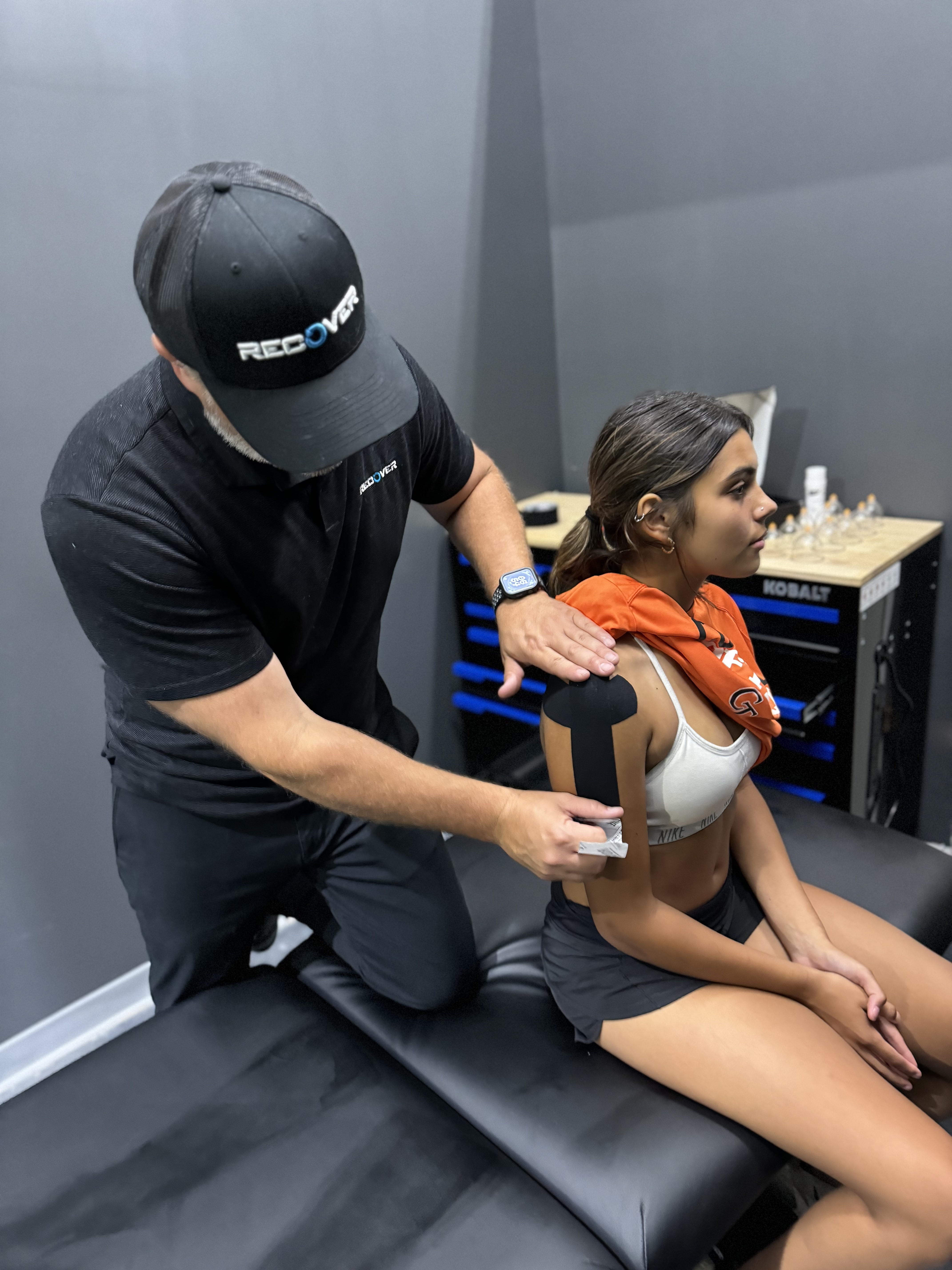
D. Kinesiology Taping
- Application of elastic therapeutic tape to support muscles, improve circulation, and reduce pain.
6. Benefits of Sports Physical Therapy
A. For Recovery
- Accelerates the healing process for injuries.
- Reduces pain and swelling.
- Restores mobility, strength, and function.
B. For Performance
- Improves sport-specific skills like endurance, agility, and power.
- Identifies and corrects weaknesses or imbalances.
- Enhances proprioception and body control.
C. For Injury Prevention
- Teaches proper techniques for training and competition.
- Strengthens weak areas prone to injury.
- Educates athletes on proper warm-ups and cool-downs.
7. Role of Technology in Sports Physical Therapy
Modern sports physical therapy incorporates advanced technology to enhance outcomes:
- Motion Analysis Software:
- Tracks movements to detect inefficiencies or potential injury risks.
- Wearable Sensors:
- Measure metrics like joint angles, force, and muscle activation.
- Biofeedback Systems:
- Provide real-time data to improve movement quality.
- Laser Therapy:
- Speeds up tissue healing and reduces inflammation.
8. Who Can Benefit from Sports Physical Therapy?
- Athletes of All Levels:
- From recreational players to elite professionals, sports physical therapy is tailored to individual needs.
- Active Individuals:
- People engaged in fitness routines or physically demanding jobs.
- Post-Surgical Patients:
- Individuals recovering from orthopedic surgeries.
- Youth Athletes:
- Addressing injuries and teaching proper mechanics during growth stages.
Sports physical therapy is an essential resource for athletes and active individuals, providing the tools and expertise to recover from injuries, improve performance, and stay competitive. By focusing on both rehabilitation and prevention, this specialized therapy ensures long-term success and resilience in athletic endeavors.