
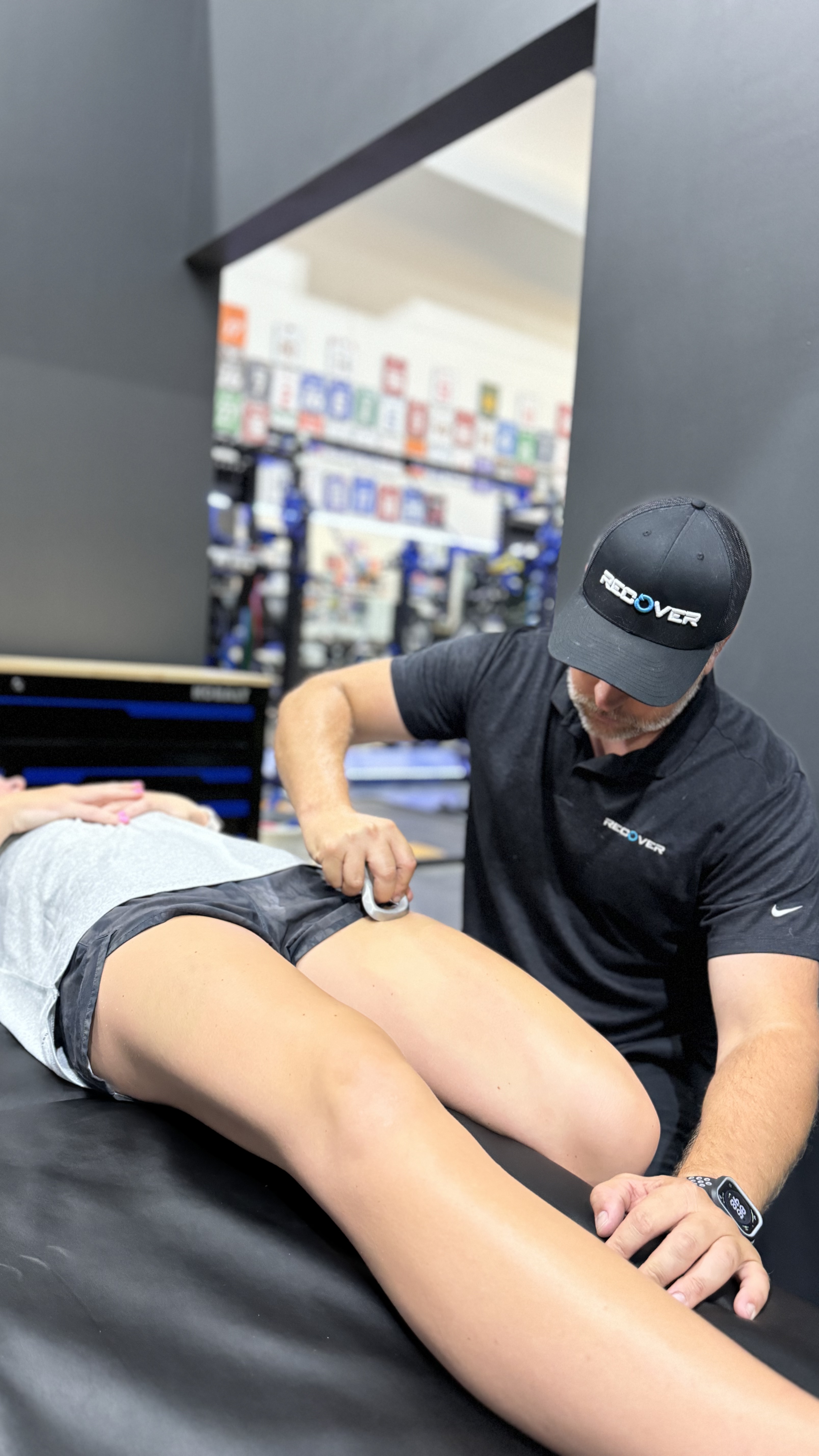
Graston Technique is a form of instrument-assisted soft tissue mobilization (IASTM) designed to treat musculoskeletal pain and dysfunction. This evidence-based manual therapy uses specialized stainless-steel tools to detect and break down scar tissue, adhesions, and fascial restrictions. The technique is widely used by physical therapists, chiropractors, athletic trainers, and other healthcare professionals to enhance mobility, alleviate pain, and accelerate recovery.
1. How Graston Technique Works
Graston involves the use of ergonomic, precision-designed instruments to glide over the skin, applying controlled pressure to affected areas. The technique works by:
- Detecting Scar Tissue or Adhesions:
- The therapist uses the tools to identify irregularities in the soft tissue, which may feel like grainy or gritty areas.
- Breaking Down Restrictions:
- The tools help break apart scar tissue and adhesions, promoting the restoration of normal tissue function.
- Stimulating Healing:
- Controlled microtrauma induced by the technique triggers the body’s natural healing response, increasing blood flow and cellular activity.
- Enhancing Soft Tissue Mobility:
- Loosens tight fascia and restores elasticity to the muscles and connective tissues.
2. Tools Used in the Graston Technique
Graston tools are made of high-quality stainless steel and come in various shapes and sizes to target different body areas effectively:
- Concave and Convex Edges: Allow for broad or precise application.
- Curved and Angled Instruments: Designed to adapt to the contours of the body.
- Edge Types:
- Rounded edges for softer, broader strokes.
- Sharper edges for targeted, deeper mobilization.
3. Conditions Treated with the Graston Technique
Graston is effective for a wide range of acute and chronic conditions, including:
A. Soft Tissue Injuries
- Sprains and strains
- Tendinitis (e.g., Achilles tendinitis, tennis elbow)
- Plantar fasciitis
B. Chronic Pain and Dysfunction
- Myofascial pain syndrome
- Frozen shoulder (adhesive capsulitis)
- Carpal tunnel syndrome
C. Post-Surgical Recovery
- Scar tissue management
- Range of motion limitations following surgery
D. Athletic Injuries
- Muscle and tendon overuse injuries
- Shin splints
- IT band syndrome
4. Benefits of the Graston Technique
A. Pain Relief
- Alleviates discomfort by addressing the root cause of soft tissue restrictions.
- Reduces inflammation and tension in affected areas.
B. Improved Mobility
- Restores normal range of motion by loosening tight fascia and breaking adhesions.
- Enhances flexibility and functional movement patterns.
C. Accelerated Recovery
- Speeds up the healing process by stimulating cellular repair and collagen synthesis.
D. Enhanced Athletic Performance
- Helps athletes recover faster from injuries and prevents future soft tissue issues.
E. Scar Tissue Management
- Reduces the buildup of excess scar tissue that can limit mobility and cause pain.
5. Procedure
- Assessment:
- The therapist evaluates the patient’s condition, identifying areas of tightness, pain, or restriction.
- Preparation:
- A lubricant (such as massage cream) is applied to the skin to reduce friction and enhance instrument glide.
- Treatment:
- The therapist uses Graston tools to stroke the skin with varying pressure, targeting affected areas.
- Duration:
- Sessions typically last 10-15 minutes, often combined with other therapies like stretching or exercises.
- Post-Treatment Care:
- Patients may experience mild redness or soreness, which is temporary and indicates increased blood flow and tissue remodeling.
6. Who Can Benefit from Graston?
- Athletes:
- Recover from sports injuries and improve mobility.
- Post-Surgical Patients:
- Reduce scar tissue and regain function after surgery.
- Chronic Pain Sufferers:
- Manage conditions like tendinitis or plantar fasciitis.
- Everyday Individuals:
- Address muscle tension and pain caused by sedentary lifestyles or repetitive movements.
7. Scientific Basis
The Graston Technique is grounded in principles of soft tissue mobilization and tissue remodeling:
- Fascial Manipulation:
- Targets the connective tissue (fascia) to release tension and restore its natural glide.
- Collagen Realignment:
- Promotes proper alignment of collagen fibers during the healing process.
- Increased Blood Flow:
- Improves circulation, delivering oxygen and nutrients to damaged tissues.
- Neuromuscular Activation:
- Stimulates the nervous system, improving muscle function and reducing pain sensitivity.
8. Complementary Therapies
Graston is often used alongside:
- Physical Therapy:
- Combines with exercises and stretches to enhance functional outcomes.
- Massage Therapy:
- Further relaxes muscles and promotes circulation.
- Chiropractic Adjustments:
- Addresses joint misalignments in conjunction with soft tissue mobilization.
- Dry Needling:
- Targets deep tissue dysfunction and complements surface-level treatment.
9. Safety and Considerations
Graston is generally safe but may not be suitable for everyone:
- Mild Side Effects:
- Temporary redness, bruising, or soreness at the treatment site.
- Contraindications:
- Not recommended for patients with open wounds, infections, or uncontrolled conditions like blood clotting disorders.
- Hydration and Recovery:
- Staying hydrated and following post-treatment guidelines enhances the benefits and reduces discomfort.
10. Advancements in Graston Technique
Modern developments in Graston therapy include:
- Specialized Training:
- Practitioners undergo certification to ensure proper technique and patient safety.
- Customizable Tools:
- Instruments designed for specific conditions and body areas.
- Integration with Technology:
- Use of imaging tools like ultrasound to precisely identify target areas.
11. Comparison with Other Therapies
| Feature | Graston Technique | Traditional Massage | Foam Rolling |
|---|---|---|---|
| Focus | Breaking down scar tissue and adhesions | General muscle relaxation | Self-myofascial release |
| Tools Used | Stainless-steel instruments | Hands | Foam roller or balls |
| Precision | High precision in detecting restrictions | Broad focus | Moderate |
| Depth | Targets deep tissues | Varies | Limited to accessible areas |
12. Popular Use Cases
- Athletes:
- Runners use Graston for IT band syndrome and shin splints.
- Weightlifters benefit from improved shoulder and back mobility.
- Post-Injury Rehabilitation:
- Patients recovering from sprains or muscle tears.
- Office Workers:
- Address chronic tension in the neck and shoulders caused by prolonged sitting.
The Graston Technique offers a targeted, evidence-based approach to soft tissue therapy, making it an invaluable tool for pain relief, mobility restoration, and injury recovery. With its ability to address both acute and chronic conditions, it is a go-to therapy for athletes, active individuals, and anyone seeking long-term relief from soft tissue dysfunction.