
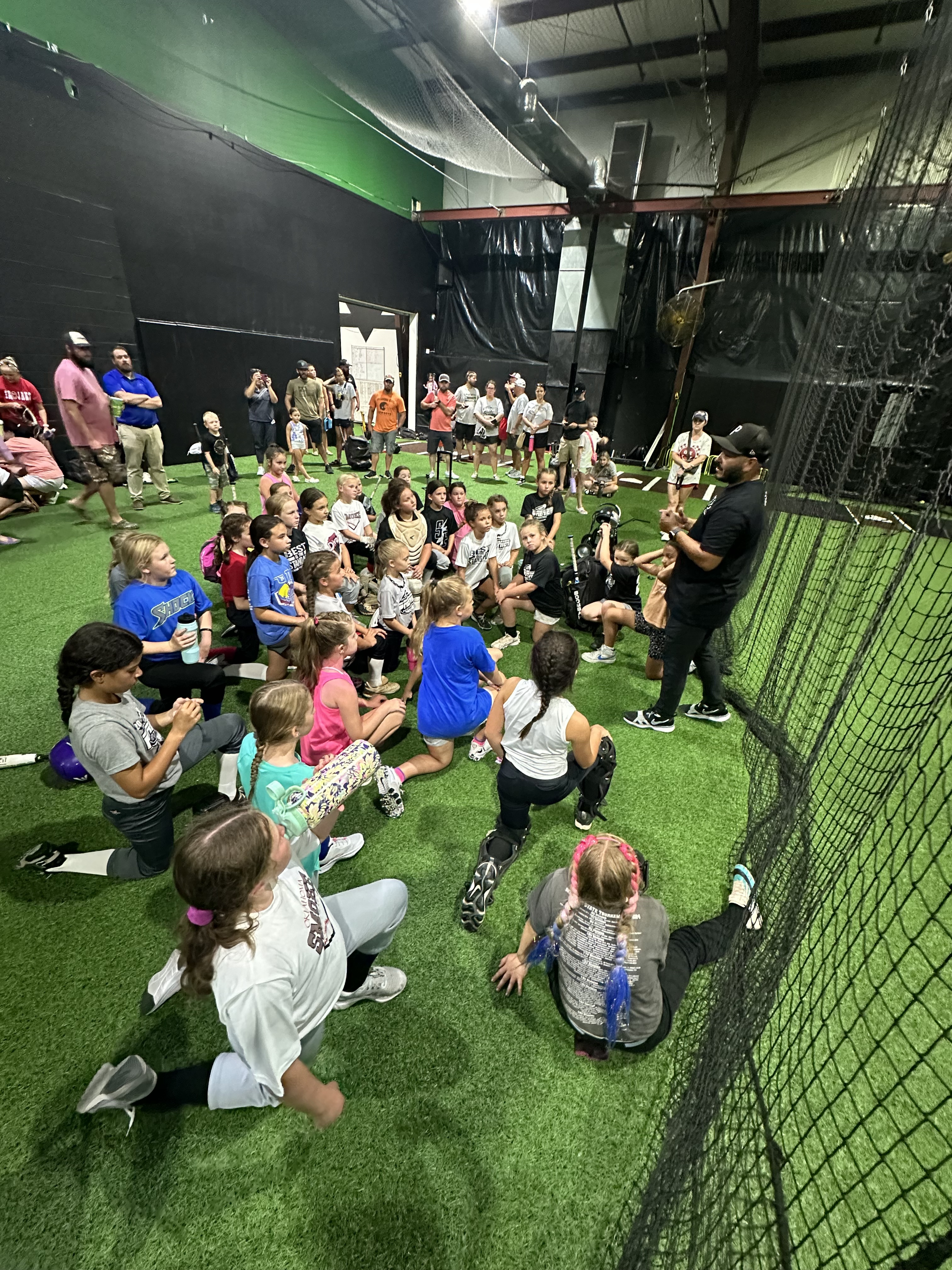
Softball and Baseball Camps offer an immersive, structured environment for players to develop their skills, build team chemistry, and gain valuable game experience. These camps are designed for athletes of all ages and skill levels, from beginners looking to learn the fundamentals to advanced players aiming to fine-tune their technique and elevate their game. By focusing on specific aspects of the sport, such as hitting, pitching, fielding, and base running, camps provide a well-rounded training experience in a focused, high-energy setting.
Core Elements of Softball and Baseball Camps:
1. Skill Development and Instruction
Softball and baseball camps provide individualized, position-specific instruction, where athletes learn the techniques and mechanics necessary to excel in their positions. The instruction typically covers the fundamentals of hitting, pitching, fielding, and base running, as well as advanced techniques for more experienced players.
- Hitting Instruction: Camps often focus on building a strong, efficient swing through drills that emphasize mechanics, timing, and pitch recognition. Players will work on different aspects of hitting, such as hitting for power, making contact, and hitting against different types of pitchers (e.g., fastball vs. curveball).
- Pitching Instruction: Pitchers at camp receive in-depth training on mechanics, arm care, and pitch variety (such as fastball, curveball, change-up, slider, etc.). Coaches will work with pitchers to refine their delivery, release point, and pitch sequencing to become more effective on the mound.
- Fielding Instruction: Infielders and outfielders focus on improving their technique for catching, throwing, and positioning. Drills might include ground ball work, double play execution, fly ball tracking, and defensive footwork. Catchers also receive specialized training on blocking, receiving pitches, and throwing out base runners.
- Base Running and Baserunning Situations: Base running drills teach athletes how to effectively read pitches, get good jumps, and take extra bases. These drills also focus on the mental aspects of base running, such as knowing when to take risks and how to read the defense.
2. Position-Specific Training
Many camps break athletes into smaller groups based on their primary positions, such as pitchers, catchers, infielders, and outfielders. This allows for tailored coaching and specialized drills that help players focus on the skills that are most relevant to their role on the field.
- Pitchers and Catchers: Some camps offer specific sessions for pitchers and catchers to hone their craft. Pitchers may work on pitch mechanics, fastball command, and fielding their position, while catchers practice receiving, blocking, and throwing to bases. The relationship between the pitcher and catcher is emphasized, as their teamwork is critical to game success.
- Infielders and Outfielders: Position-specific training helps infielders refine their glove work and footwork on ground balls and double plays, while outfielders work on tracking fly balls, making accurate throws, and cutting off runners. Drills teach athletes the proper positioning for different situations on the field.
3. Mental Skills and Game Awareness
In addition to physical skills, softball and baseball camps often incorporate mental coaching to help players improve their focus, decision-making, and overall game IQ. Athletes are taught how to approach various in-game situations, such as how to read the defense, how to adjust to different pitchers, and how to manage the psychological aspects of the game, including staying calm under pressure and maintaining confidence after mistakes.
- Game IQ: Coaches teach players how to read the game and anticipate what will happen next. This includes understanding how to position oneself defensively, reading the pitcher’s tendencies, and reacting to different types of pitches.
- Visualization and Mental Toughness: Many camps will incorporate mental drills that help athletes visualize success, overcome obstacles, and manage performance anxiety. Learning how to stay mentally sharp is key to succeeding in softball and baseball, where quick decision-making and focus are paramount.
4. Competition and Game Play
A large part of any softball or baseball camp is putting the skills learned in practice to use in actual game settings. This might include scrimmages, live pitching sessions, or competitive drills that simulate in-game conditions. Players gain valuable experience from competing against others, learning to apply techniques under pressure, and adapting to various game situations.
- Scrimmages: Coaches often schedule games between teams of campers, allowing players to experience live game action. These scrimmages often include real-time coaching and feedback, giving players an opportunity to try out what they’ve learned in a competitive setting.
- Situational Drills: In addition to full games, camps often run situational drills where teams work through specific game scenarios, such as a runner on second with two outs, or facing a 3-2 count. This helps players develop problem-solving skills and refine their tactical knowledge of the game.
5. Strength and Conditioning
Athletic development isn’t just about skills; it also involves strength, conditioning, and injury prevention. Many camps offer strength and conditioning programs designed specifically for young athletes, helping them build muscle, improve agility, and prevent injury.
- Core Strength and Agility: Coaches focus on developing players’ core strength, agility, and overall fitness, all of which contribute to better performance on the field. Conditioning drills may include ladder drills, cone drills, and sprint work to improve foot speed and explosiveness.
- Injury Prevention and Recovery: To keep athletes healthy, many camps include education on proper warm-ups, cool-downs, stretching techniques, and recovery strategies. Preventing overuse injuries is particularly important for pitchers and players who engage in repetitive motions.
6. Team Building and Leadership Development
Softball and baseball are team sports, and many camps place a strong emphasis on building teamwork, communication, and leadership skills. Athletes are often divided into teams, where they will work together to complete drills, scrimmage, and solve in-game situations. These team settings foster collaboration, encourage positive communication, and help players develop as both teammates and leaders.
- Leadership Skills: Coaches encourage athletes to step up and lead by example on and off the field. Leadership exercises might involve players running drills, calling pitches, or helping younger athletes with their skills.
- Teamwork and Communication: Coaches focus on helping athletes understand the importance of working together, supporting each other, and communicating effectively during drills and games.
7. Exposure to College and Professional Scouts (Advanced Camps)
Some elite camps may offer exposure opportunities for players looking to compete at the collegiate or professional level. These camps often feature coaches or scouts from colleges, universities, or professional teams who are looking for talent. Campers can receive valuable feedback, as well as the chance to showcase their skills in front of scouts.
- Showcase Games: Many advanced camps organize showcase games or scrimmages in which players can demonstrate their skills to coaches and scouts. This provides an opportunity for athletes to be noticed by potential recruiters or team scouts.
- College Recruiting Education: In addition to on-field instruction, some camps offer seminars or informational sessions about the college recruiting process, how to get noticed, and what college scouts are looking for in prospective players.
8. Fun and Motivation
While skill development is the primary focus of softball and baseball camps, camps also provide an opportunity for athletes to enjoy the game and connect with other players who share similar passions. Many camps feature fun competitions, friendly rivalry, and activities designed to keep players motivated and excited about the sport.
- Competitive Contests: Fun events like home run derbies, base running challenges, and “skills contests” give players a chance to test their abilities in a less formal, more entertaining format.
- Awards and Recognition: Many camps give out awards or recognitions based on performance, sportsmanship, and improvement, which can help boost a player’s confidence and motivation. Recognition for hard work, improvement, and leadership can encourage players to continue developing their skills beyond the camp.
Conclusion:
Softball and baseball camps are designed to provide athletes with a comprehensive training experience, blending skill development, competitive play, mental coaching, and team-building exercises in an engaging and supportive environment. Whether a player is just starting out or looking to take their game to the next level, attending a well-structured camp can provide the opportunity to improve their technical skills, develop their physical conditioning, build confidence, and prepare for competition. Camps foster an atmosphere where players can grow not just as athletes, but as teammates and individuals, making them a valuable resource for players of all levels.