
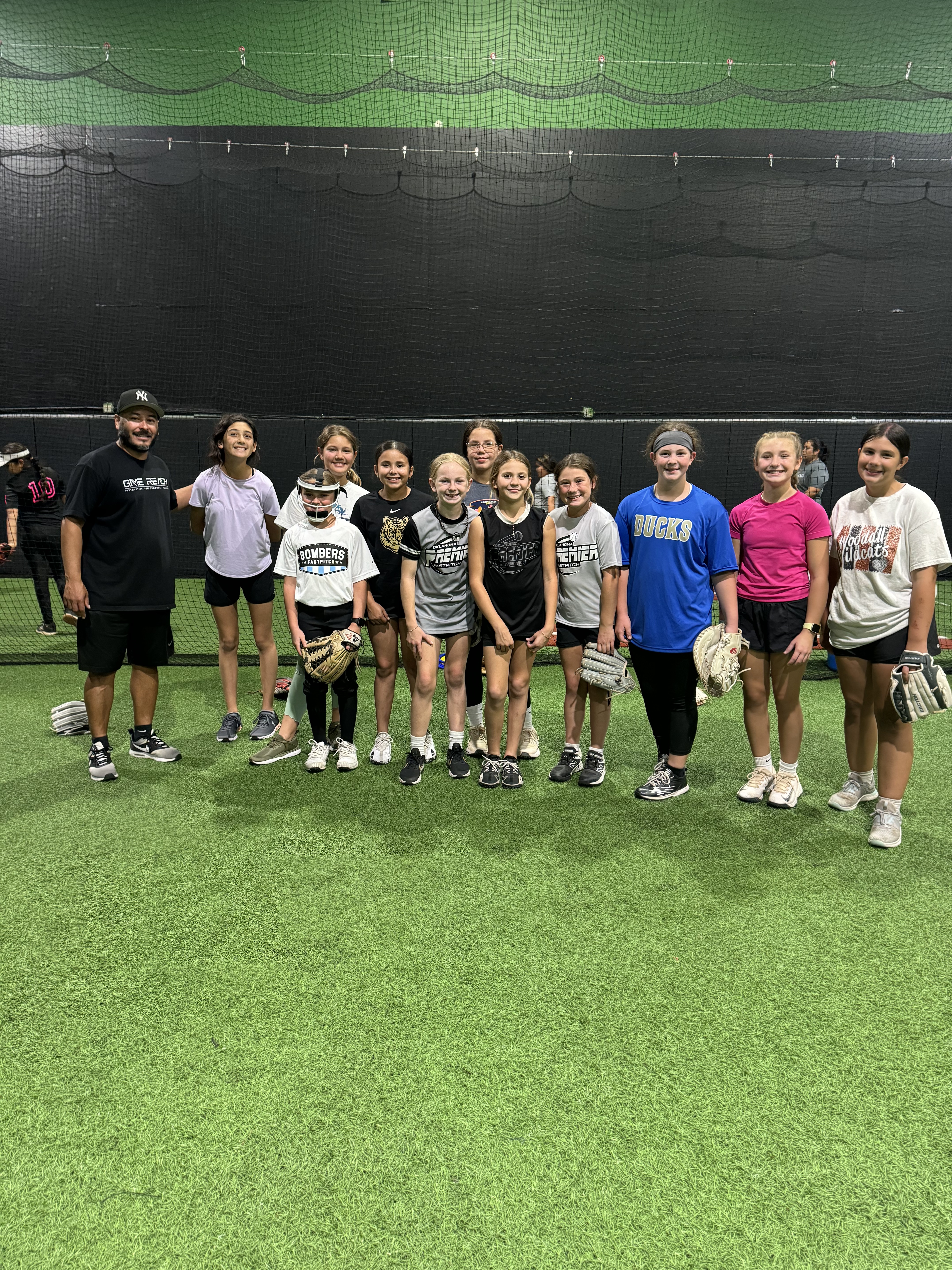
Defensive Drills are a key component of baseball and softball training, designed to develop the skills, techniques, and instincts needed to be a successful defensive player. Whether for infielders, outfielders, or catchers, defensive drills focus on improving essential aspects of fielding, such as footwork, hand-eye coordination, glove work, positioning, and reaction time. These drills help players refine their abilities to make quick decisions, react to various types of plays, and execute defensive tasks with consistency and confidence. Effective defensive play is crucial for a team’s success, and regularly practicing defensive drills helps players become more reliable and efficient on the field.
Core Components of Defensive Drills:
- Fielding Fundamentals:
At the foundation of defensive drills are the basic fielding skills that all players must master. This includes proper glove positioning, footwork, and body mechanics. Good fielding drills begin with teaching players how to correctly approach the ball, maintain a low center of gravity, and position their glove in the optimal way to receive the ball. In addition, players are taught how to transition quickly from fielding the ball to making a throw, ensuring smooth, fluid movements that are essential for getting outs and making accurate throws.
- Glove Work: Drills that focus on proper glove positioning (palm up for ground balls, palm down for fly balls) help players develop soft hands and good control. The goal is to make clean, consistent catches while minimizing the chances of errors.
- Footwork: Footwork is critical to efficient fielding. Drills that work on “getting around the ball” (moving into position to field it), maintaining balance, and using the proper foot placement to get the body into position to throw are essential. Good footwork allows players to transition quickly from fielding to throwing.
- Ground Ball Drills:
Ground ball drills are essential for infielders, focusing on the proper technique for fielding ground balls hit to them. Players are taught to get in front of the ball, stay low, and use both hands to secure the ball into their glove. Drills vary depending on the situation, such as fielding routine grounders, charging slow rollers, or handling hard-hit balls. Key elements of ground ball drills include:
- Basic Ground Balls: Players practice receiving simple grounders at different angles, ensuring they develop soft hands and consistent technique.
- Charging Grounders: Drills to teach players to charge the ball on slow rollers or balls hit in front of them, ensuring quick decisions and swift action.
- Fielding with Footwork: Emphasis is placed on the proper footwork when approaching a ball, whether it’s through short steps, long strides, or “shuffling” to maintain balance while staying low to the ground.
- Double Play Drills:
Double plays are a vital part of infield defense, especially for middle infielders (shortstops and second basemen). Double play drills focus on the quick and precise exchange of the ball from the glove to the throwing hand, followed by a quick, accurate throw to second base and then to first base. The emphasis is on timing, footwork, and communication between the infielder and the other player involved in the play. These drills often simulate various game scenarios, such as turning a double play on a ground ball or pop-up.
- Pivoting and Footwork: Drills teach infielders how to pivot quickly to receive the ball from the other baseman, ensuring they have a solid base to make an accurate throw.
- Quick Exchanges: Speed is essential for double plays, so players practice quick transfers of the ball from glove to hand without losing control.
- Throwing Accuracy and Arm Strength:
Defensive drills are not only about catching and fielding, but also about making accurate and strong throws to the appropriate bases. Drills that focus on throwing mechanics help players improve their accuracy, arm strength, and ability to make quick decisions when throwing the ball. This is especially important for infielders who need to quickly throw to various bases (first, second, third), and for outfielders who need to make strong, accurate throws to cut off runners.
- Quick Release: Drills that teach players how to field and immediately release the ball are essential for making efficient plays.
- Arm Strength: Long toss drills and throwing programs are included to build arm strength, helping players make throws with speed and accuracy, particularly from the outfield.
- Pop-up Drills:
Catching pop flies is a fundamental skill for both infielders and outfielders. Pop-up drills help players learn how to track the ball off the bat, judge the trajectory, and adjust their position to make a clean catch. Emphasis is placed on communication between players (especially between infielders and outfielders) to avoid collisions and ensure that the ball is caught.
- Tracking the Ball: Players practice keeping their eye on the ball and adjusting their positioning based on its flight path.
- Calling Off Teammates: Outfielders and infielders are taught the importance of calling off teammates to prevent miscommunication during pop-up situations.
- Fly Ball Drills:
Fly ball drills are designed to help outfielders track and catch balls hit in the air. These drills teach players how to judge the flight path of the ball, move to the correct position, and catch it cleanly. Drills may involve hitting fly balls to various depths and angles, teaching the player how to read the ball off the bat and adjust their footwork and positioning.
- Tracking and Approaching: Emphasis is placed on reading the ball as it leaves the bat, and making the proper approach whether it’s a routine catch or a difficult, over-the-shoulder play.
- Catching Under Pressure: Players practice catching fly balls in different weather conditions and game-like scenarios where crowd noise or defensive positioning may come into play.
- Communication and Teamwork:
Communication is vital for any defense, as players need to work together to execute plays. Defensive drills that focus on communication help players learn when and how to talk on the field, whether calling for a pop-up, signaling a cutoff, or coordinating on double plays. Effective communication leads to fewer mistakes, better positioning, and smoother transitions between players.
- Calling for Balls: Players are drilled on how and when to call for a ball, ensuring clear communication to avoid collisions.
- Cutoff Drills: Outfielders practice hitting the cutoff man with accurate throws, while infielders work on receiving the throw and making quick decisions to get the lead runner out.
- Reaction Time and Agility Drills:
Reaction time and agility are key components of defensive play. Players must be able to react quickly to a hit ball and move efficiently to field it. Drills focusing on agility and reflexes help develop quick first steps, lateral movement, and explosive reactions. These drills train players to move quickly in any direction, stay low to the ground, and make plays on balls that are hit sharply or unexpectedly.
- Lateral Movement: Drills that focus on quick lateral movements help players react to balls hit to either side of them.
- Quick First Steps: Players practice accelerating quickly from a stationary position to field a ground ball or track down a fly ball.
- Bunt Defense Drills:
Fielding bunts is an essential defensive skill for infielders, particularly pitchers, catchers, and first basemen. Drills for handling bunts teach players how to read the situation (such as a runner on base), move into position quickly, and execute a clean play to throw out the runner. Proper footwork and hand positioning are essential to ensuring the ball is fielded cleanly and the throw is made to the correct base.
- Pitcher Bunt Coverage: Pitchers practice fielding bunts and making quick, accurate throws to first base.
- Catcher and First Baseman Bunt Defense: Catchers and first basemen learn how to work together to field bunts and execute plays effectively.
- Situational Defensive Drills:
These drills simulate specific game situations to help players make decisions under pressure. For example, players might practice situations where there is a runner on third base, and they must choose between throwing home or going to first. These drills teach players how to read the game, react to the situation, and make the best possible play under the circumstances. This includes drills for cut-off plays, holding runners on base, playing shallow or deep based on the batter’s tendencies, and more.
Conclusion:
Defensive drills are a critical component of baseball and softball training, focusing on the technical skills and mental sharpness required for excellent defensive play. Whether fielding ground balls, turning double plays, tracking fly balls, or making quick decisions in high-pressure situations, these drills help players develop the tools they need to execute defensive plays efficiently and effectively. Regular practice and refinement of defensive skills ensure that players are prepared for game situations and can contribute to their team’s success by minimizing errors and maximizing fielding performance. Through consistent work, defensive drills improve not only individual player skills but also team coordination and communication on the field.