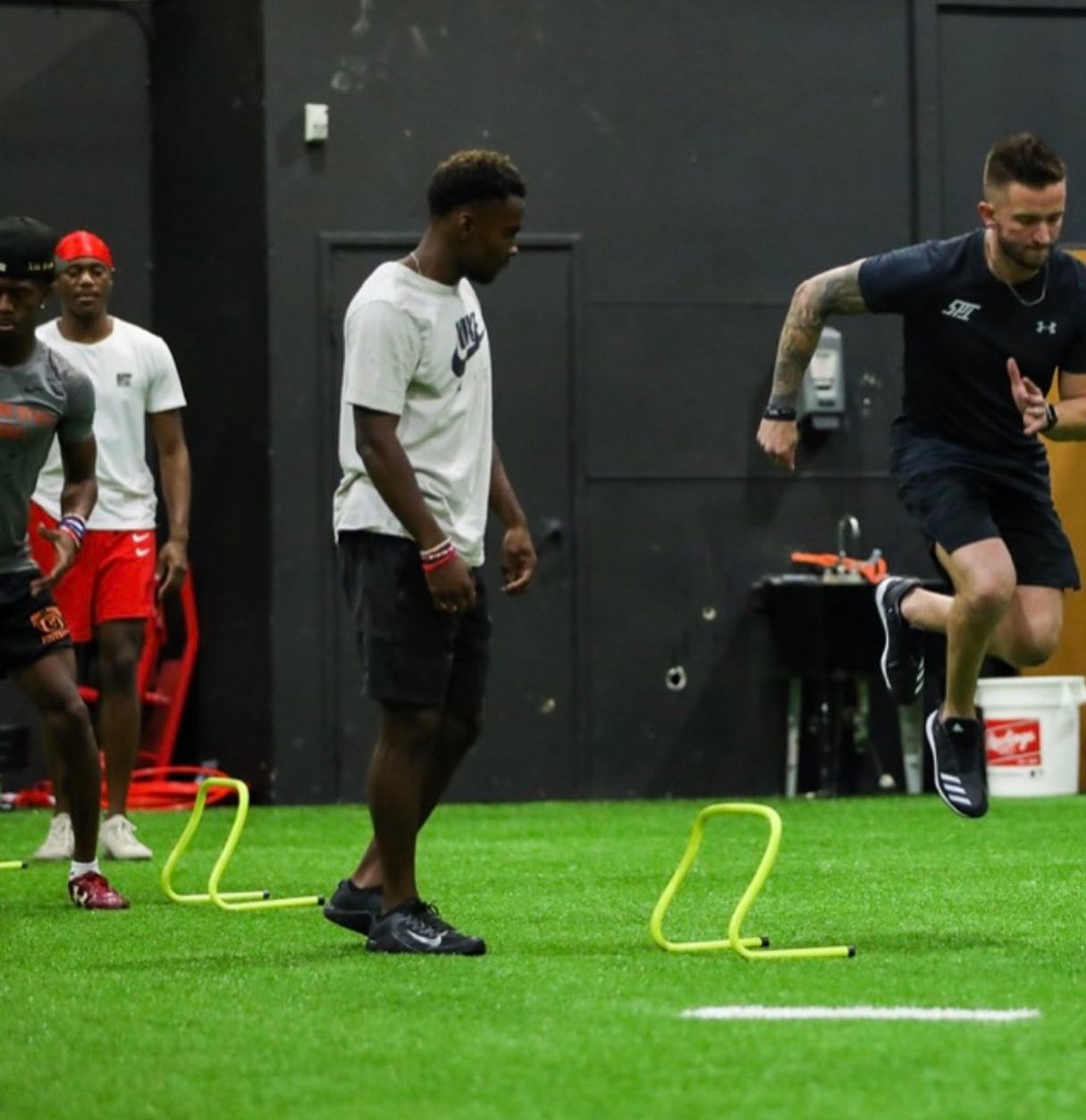

Semi-private sports training is a hybrid training model that combines the benefits of individual coaching with the social and motivational dynamics of group training. This approach typically involves small groups of athletes, usually ranging from 3 to 10 participants, who train together under the guidance of a qualified coach or trainer. This setting fosters a supportive environment while allowing for personalized attention and tailored training programs.
Key Features
- Personalized Coaching:
- In semi-private training, each participant receives individual feedback and coaching tailored to their specific goals, skill levels, and needs. This personalized approach ensures that athletes can progress at their own pace while still benefiting from the group dynamic.
- Small Group Dynamics:
- The small group size promotes camaraderie and a sense of community among participants. Athletes can motivate each other, share experiences, and develop friendships, which can enhance the overall training experience.
- Customized Training Programs:
- Coaches can design training programs that cater to the diverse needs of the group while still focusing on individual goals. This could include sport-specific drills, strength training, conditioning, and skill development tailored to the athletes’ requirements.
- Increased Accountability:
- Training in a semi-private setting fosters accountability among participants. Knowing that teammates are counting on them can encourage athletes to show up consistently and put in their best effort.
- Cost-Effective:
- Compared to one-on-one training sessions, semi-private training often comes at a lower cost per participant while still offering the benefits of personalized coaching. This makes it an attractive option for athletes looking to improve without breaking the bank.
- Skill Development:
- Athletes can work on specific skills relevant to their sport in a focused yet collaborative environment. Coaches can facilitate drills that allow participants to learn from one another, enhancing their overall skill set.
- Variety and Fun:
- The group setting allows for a variety of training methods and exercises, keeping sessions engaging and enjoyable. Coaches can incorporate games, competitions, and team challenges to make workouts more dynamic.
- Enhanced Social Interaction:
- Semi-private training encourages social interaction among athletes, which can reduce the intimidation some may feel in larger groups. This supportive environment can boost confidence and promote a positive attitude towards training.
Ideal For
- Athletes of All Levels: Whether beginners looking to develop foundational skills or advanced athletes aiming to refine their techniques, semi-private training caters to a wide range of skill levels.
- Team Preparation: Teams can benefit from this format as it allows for collective training while still focusing on individual contributions.
- Recreational and Competitive Athletes: Both recreational sports enthusiasts and competitive athletes can find value in semi-private training, as it helps improve performance and enjoyment of the sport.
Conclusion
Semi-private sports training strikes a balance between individualized attention and the motivational advantages of group dynamics. With personalized coaching, a supportive environment, and cost-effective solutions, it presents an appealing training option for athletes seeking both skill development and social interaction. Whether for personal improvement or team cohesion, this training model is designed to foster growth, performance, and a love for sport.