
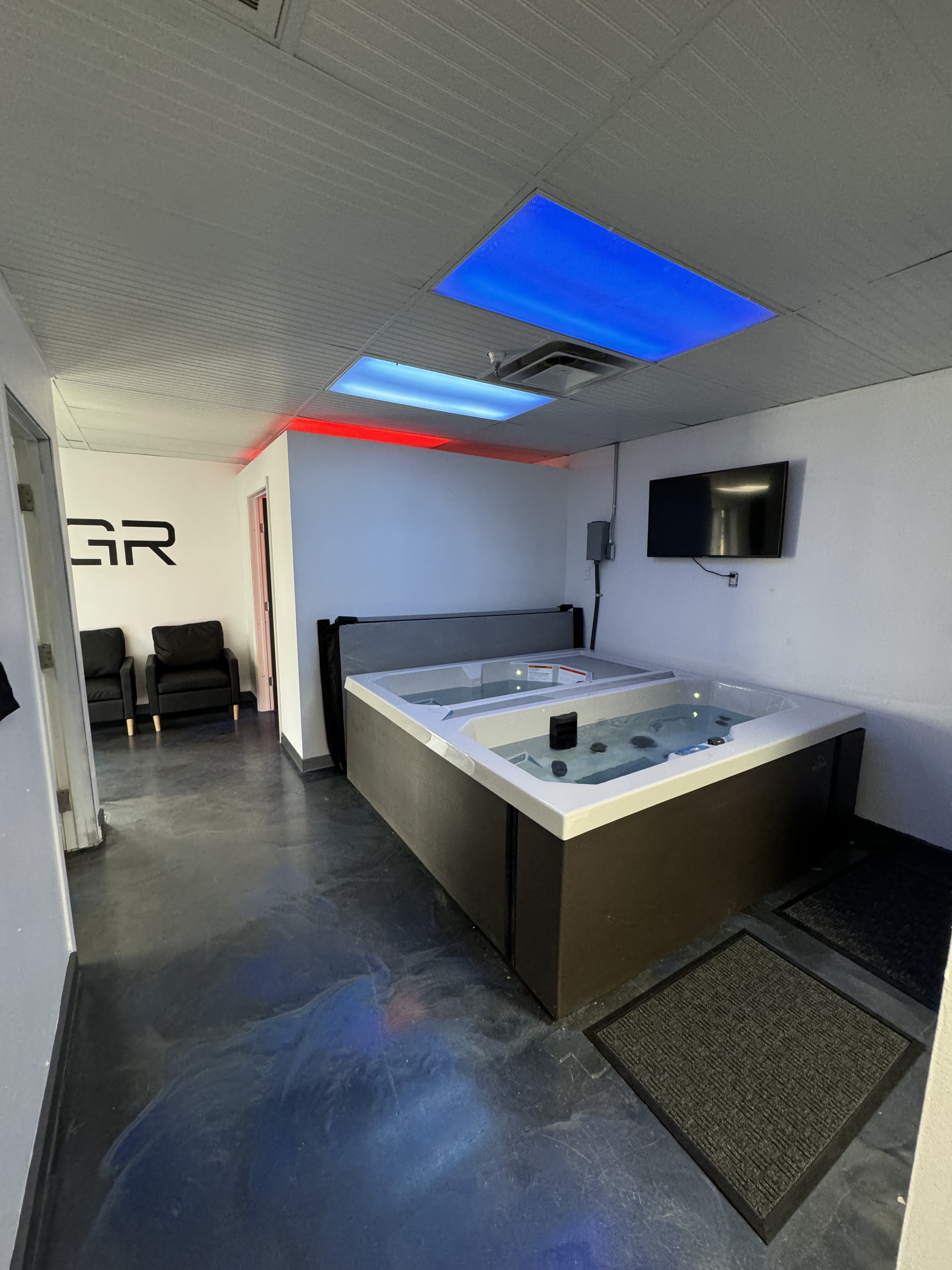
A hot/cold plunge, also known as contrast therapy, is a wellness practice involving the alternating use of hot and cold water to improve circulation, enhance recovery, and promote overall health. This therapy involves immersing the body in a hot plunge pool or bath followed by immersion in a cold plunge pool or bath, either in succession or with short rest periods in between. This temperature contrast creates physiological responses that are beneficial for the body and mind.
1. Purpose of a Hot/Cold Plunge
The primary goals of hot/cold plunges include:
- Muscle Recovery: Reducing muscle soreness and fatigue after physical activity.
- Improved Circulation: Alternating temperatures stimulate blood flow and oxygen delivery.
- Stress Reduction: Calming the nervous system and promoting relaxation.
- Enhanced Immune Function: Boosting the body’s natural defenses.
- Detoxification: Encouraging lymphatic drainage and toxin removal.
2. How It Works
Hot/cold plunges use the principle of thermotherapy and cryotherapy in alternating cycles:
- Hot Immersion:
- Typically in water heated to 100°F to 110°F (38°C to 43°C).
- Promotes vasodilation (widening of blood vessels), increasing blood flow and relaxing muscles.
- Cold Immersion:
- Typically in water cooled to 50°F to 60°F (10°C to 15°C).
- Causes vasoconstriction (narrowing of blood vessels), reducing inflammation and numbing pain.
- Alternating Between Hot and Cold:
- Creates a “pumping effect” in blood vessels, stimulating circulation and accelerating recovery.
3. Procedure
A typical hot/cold plunge session may follow this sequence:
- Warm-Up (Optional):
- Begin with light stretching or movement to prepare the body.
- Hot Plunge:
- Immerse in hot water for 2-5 minutes to relax muscles and open blood vessels.
- Cold Plunge:
- Transition into cold water for 30 seconds to 2 minutes, depending on tolerance.
- Repeat Cycle:
- Alternate between hot and cold plunges for 3-5 cycles.
- Recovery:
- Rest and hydrate after the session.
4. Health and Wellness Benefits
A. Physical Benefits
- Muscle Recovery and Pain Relief:
- Reduces delayed-onset muscle soreness (DOMS).
- Eases stiffness and tension in overworked muscles.
- Improved Circulation:
- Hot immersion increases blood flow to tissues.
- Cold immersion redirects blood to vital organs, improving overall circulation.
- Reduced Inflammation:
- Cold water helps reduce swelling and inflammation, particularly after intense physical activity.
- Joint Health:
- Helps alleviate stiffness and discomfort from arthritis or joint injuries.
B. Mental and Emotional Benefits
- Stress Reduction:
- Heat promotes relaxation by calming the nervous system.
- Cold exposure stimulates endorphin release, improving mood.
- Increased Focus and Energy:
- Cold plunges activate the sympathetic nervous system, boosting alertness.
- Improved Sleep:
- Alternating temperatures can relax the body, leading to better sleep quality.
C. Long-Term Wellness Benefits
- Enhanced Immune Function:
- Cold plunges stimulate white blood cell production, boosting immunity.
- Lymphatic Detoxification:
- Alternating temperatures help drain toxins from the lymphatic system.
- Skin Health:
- Cold water tightens pores, while hot water promotes better hydration and elasticity.
5. Tips for Beginners
- Start Gradually: Shorten cold immersion times and increase them as tolerance builds.
- Listen to Your Body: Avoid staying in hot or cold water for too long, especially if you feel lightheaded or overly fatigued.
- Stay Hydrated: Drink water before and after the session to support your body’s recovery.
- Breathing Techniques: Use controlled breathing to manage the shock of cold water and maintain calmness.
6. Safety Considerations
While generally safe, hot/cold plunges may not be suitable for everyone. Consult a healthcare provider if you:
- Have cardiovascular conditions (e.g., high blood pressure, heart disease).
- Are pregnant or have circulatory issues.
- Are recovering from certain injuries (e.g., open wounds or sensitive fractures).
- Are sensitive to extreme temperature changes.
7. Advanced Techniques
For those experienced in hot/cold plunges, additional practices include:
- Contrast Showers: Alternating hot and cold water in a shower setting for a similar effect.
- Breathwork: Incorporating techniques like the Wim Hof Method to enhance cold tolerance.
- Extended Cold Exposure: For advanced users, longer durations in cold water (3-5 minutes) can deepen physiological benefits.
8. Complementary Therapies
Hot/cold plunges are often combined with:
- Saunas or Steam Rooms: To extend the benefits of heat therapy.
- Massage Therapy: To further relax muscles and improve circulation.
- Stretching or Yoga: To enhance flexibility and relaxation post-session.
Hot/cold plunges provide a rejuvenating and therapeutic experience, making them an essential part of many recovery and wellness routines. With proper technique and consistency, they offer profound physical, mental, and emotional benefits for athletes, fitness enthusiasts, and anyone seeking to optimize their health.