
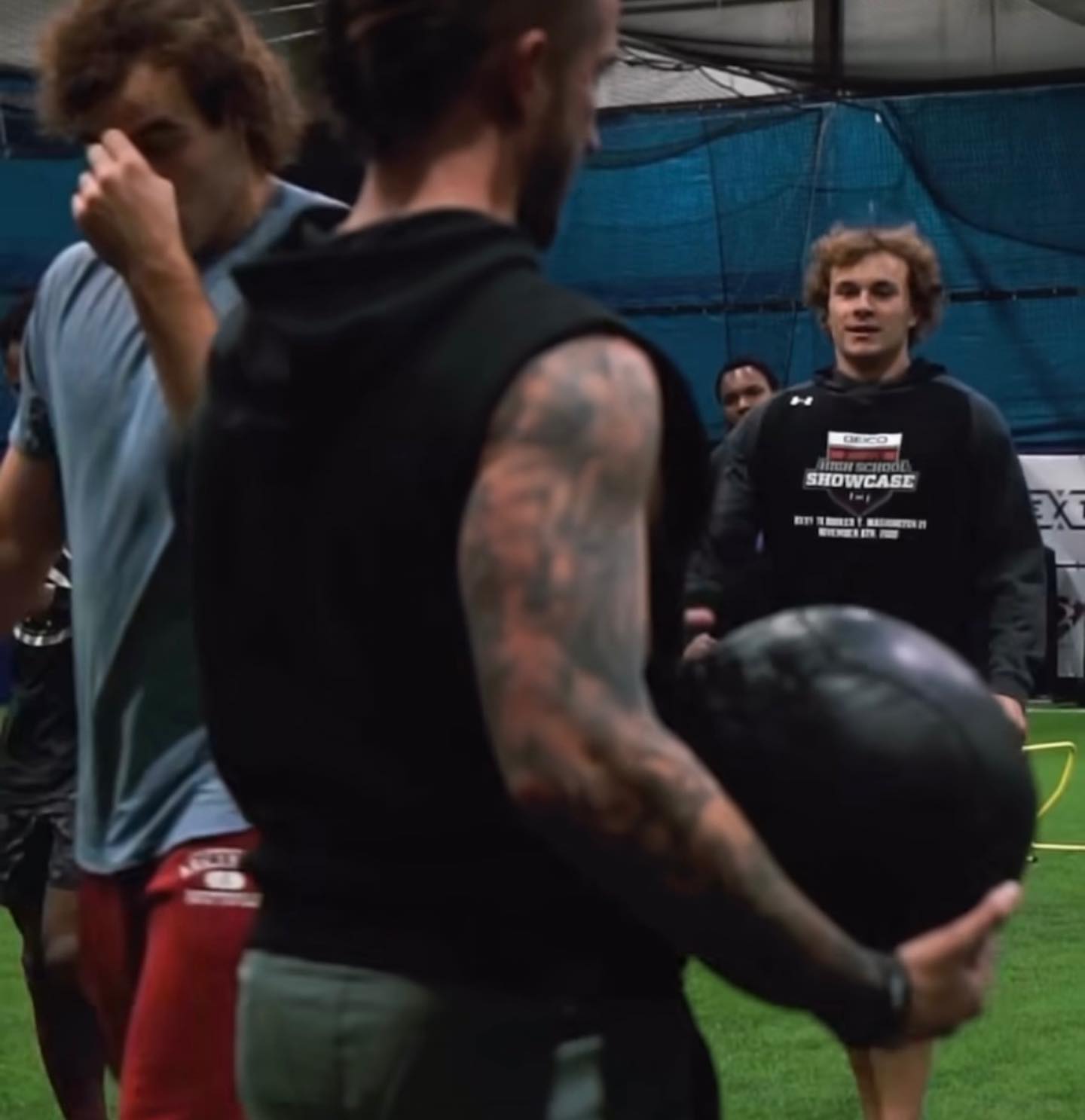
Sport performance clinics are specialized programs designed to enhance the overall athletic capabilities of individuals or teams. These clinics take a holistic approach, combining physical training, mental preparation, and sport-specific techniques to optimize athletic performance. Unlike general training, sports performance clinics focus on advanced strategies and methods tailored to the athlete’s unique needs, whether they are beginners, competitive athletes, or elite professionals.
1. Objectives of Sport Performance Clinics
The primary goals of these clinics include:
- Maximizing Physical Performance: Enhancing strength, endurance, speed, agility, and flexibility.
- Developing Sport-Specific Skills: Refining techniques directly relevant to the sport.
- Improving Mental Resilience: Building focus, confidence, and a competitive mindset.
- Preventing Injuries: Teaching proper techniques and recovery methods to minimize risks.
- Enhancing Recovery: Educating athletes on effective rest and recovery strategies.
2. Core Components
Sports performance clinics are structured to address several key areas of athletic development:
A. Physical Conditioning
- Strength Training: Focused on improving power, muscle endurance, and explosive movements.
- Speed and Agility Training: Drills and exercises to enhance quickness, coordination, and reaction time.
- Endurance Development: Aerobic and anaerobic conditioning for sustained energy during performance.
- Flexibility and Mobility: Dynamic stretching, yoga, and range-of-motion exercises to improve movement efficiency.
- Balance and Stability: Training using equipment like BOSU balls and resistance bands to enhance core strength and stability.
B. Sports Science and Biomechanics
- Analysis of an athlete’s movements to identify inefficiencies and areas for improvement.
- Implementation of techniques to maximize performance while reducing strain on the body.
- Use of technology, such as motion capture and wearable devices, to monitor performance metrics.
C. Mental Performance Training
- Focus and Concentration: Techniques to maintain peak focus during competition.
- Visualization: Mental imagery exercises to rehearse skills and build confidence.
- Stress Management: Coping strategies to handle pressure and reduce anxiety.
- Resilience Building: Overcoming setbacks and maintaining motivation.
D. Nutrition and Hydration
- Guidelines for fueling the body for training, competition, and recovery.
- Education on macronutrient ratios, hydration techniques, and timing of meals.
- Insights into supplements, sports drinks, and recovery aids.
E. Recovery and Regeneration
- Restoration Techniques: Foam rolling, massage therapy, and active recovery exercises.
- Sleep Optimization: The role of sleep in athletic performance and recovery.
- Injury Rehabilitation: Guidelines for safely returning to play after an injury.
F. Sport-Specific Training
- Tailored drills and exercises to refine skills unique to the sport.
- Examples:
- Improving swing mechanics in golf.
- Perfecting sprint starts in track and field.
- Enhancing ball-handling skills in basketball.
- Examples:
- Strategies for better in-game decision-making and situational awareness.
G. Team Dynamics and Leadership Development
- Exercises that promote collaboration, communication, and cohesion within a team.
- Leadership training for captains and other influential players.
3. Format of Clinics
Sports performance clinics are typically structured as:
- Short-Term Programs: Ranging from one day to a week.
- Focused Sessions: Targeting specific performance areas.
- Hands-On Training: Practical drills and real-time feedback.
- Workshops and Lectures: Theory-based sessions led by experts.
4. Participants
These clinics cater to:
- Youth Athletes: Building foundational skills and athletic habits.
- Amateur Athletes: Enhancing performance for recreational or competitive purposes.
- Elite Athletes: Refining advanced techniques and preparing for professional competition.
- Coaches: Learning cutting-edge training methods and strategies to apply with their teams.
5. Key Benefits
- Enhanced Athletic Abilities: Clinics provide tools and techniques to achieve peak performance.
- Injury Prevention and Recovery: Education on biomechanics and proper recovery methods reduces injury risks.
- Mental Edge Development: Athletes gain skills to manage pressure, maintain focus, and stay motivated.
- Sport-Specific Expertise: Tailored training for specific sports ensures targeted improvements.
- Personalized Feedback: Athletes receive individual assessments and recommendations for improvement.
6. Conducted By Experts
Sports performance clinics are led by professionals with expertise in various areas, including:
- Certified strength and conditioning specialists (CSCS).
- Sports psychologists and mental performance coaches.
- Registered dietitians or nutritionists specializing in sports.
- Experienced athletes or professional coaches.
- Sports scientists and physical therapists.
7. Technology Integration
- Wearable Devices: Track metrics like heart rate, movement patterns, and workload.
- Video Analysis: Identify flaws in technique and provide visual feedback.
- Performance Tracking Software: Monitor progress over the course of the clinic.
8. Common Themes in Clinics
- Pre-Season Clinics: Build fitness and skills before the competitive season.
- In-Season Clinics: Focus on maintaining performance and addressing specific challenges.
- Post-Season Clinics: Recovery, analysis, and planning for future development.
- Specialized Clinics: For specific groups, such as injured athletes, women in sports, or position-specific players.
Examples of Sports Performance Clinics
- A high-performance track and field clinic focused on sprinting mechanics, starting block techniques, and endurance.
- A soccer clinic emphasizing speed, agility, and tactical play.
- A basketball performance clinic to improve explosive jumping, shooting accuracy, and defensive footwork.
- A multi-sport clinic for youth, focusing on foundational athletic skills like running mechanics and coordination.
Sports performance clinics are an invaluable resource for athletes and coaches seeking to maximize their potential. They provide a structured, expert-driven environment for developing the physical, mental, and technical skills necessary to excel in competitive sports.